Pages

Showing posts with label #internet. Show all posts

Wednesday, March 28, 2018

Beware the smart toaster: 18 tips for surviving the surveillance age

Internet | Safety | Privacy
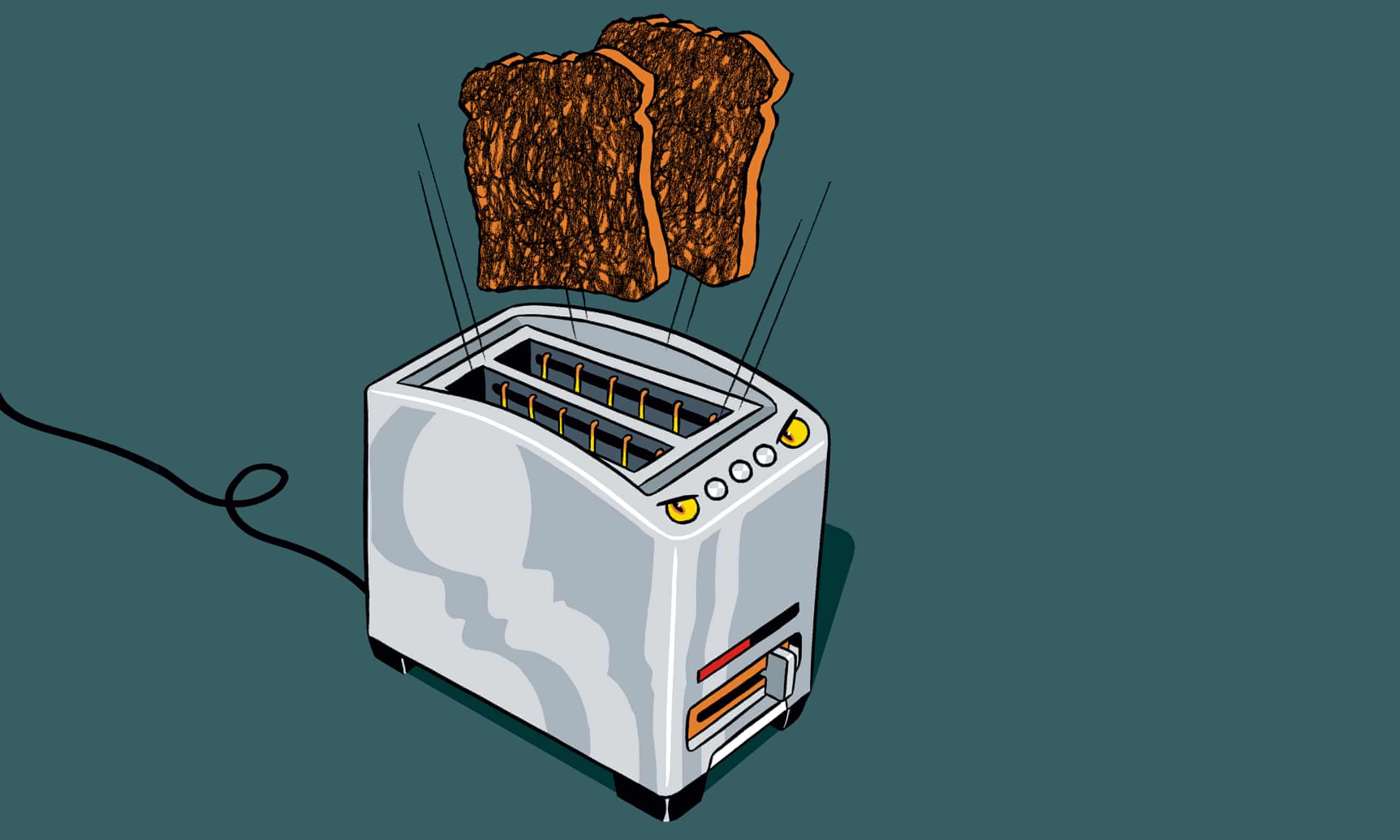
There’s enough to worry about today without having to wonder if your toaster is plotting against you.’ Illustration: Jason Ford     
We’ve come a long way since the web was just a fun place to share cat gifs – now it’s a place mostly dedicated to finding and selling your personal info. Here’s what you need to know in this new era

On the internet, the adage goes, nobody knows you’re a dog. That joke is only 15 years old, but seems as if it is from an entirely different era. Once upon a time the internet was associated with anonymity; today it is synonymous with surveillance. Not only do modern technology companies know full well you’re not a dog (not even an extremely precocious poodle), they know whether you own a dog and what sort of dog it is. And, based on your preferred category of canine, they can go a long way to inferring – and influencing – your political views.

Just over a week ago, the Observer broke a story about how Facebook had failed to protect the personal information of tens of millions of its users. The revelations sparked a #DeleteFacebook movement and some people downloaded their Facebook data before removing themselves from the social network. During this process, many of these users were shocked to see just how much intel about them the internet behemoth had accumulated. If you use Facebook apps on Android, for example – and, even inadvertently, gave it permission – it seems the company has been collecting your call and text data for years. Read more...

Wednesday, December 20, 2017

How You'll Know Net Neutrality Is Really Gone

Net Neutrality | Access

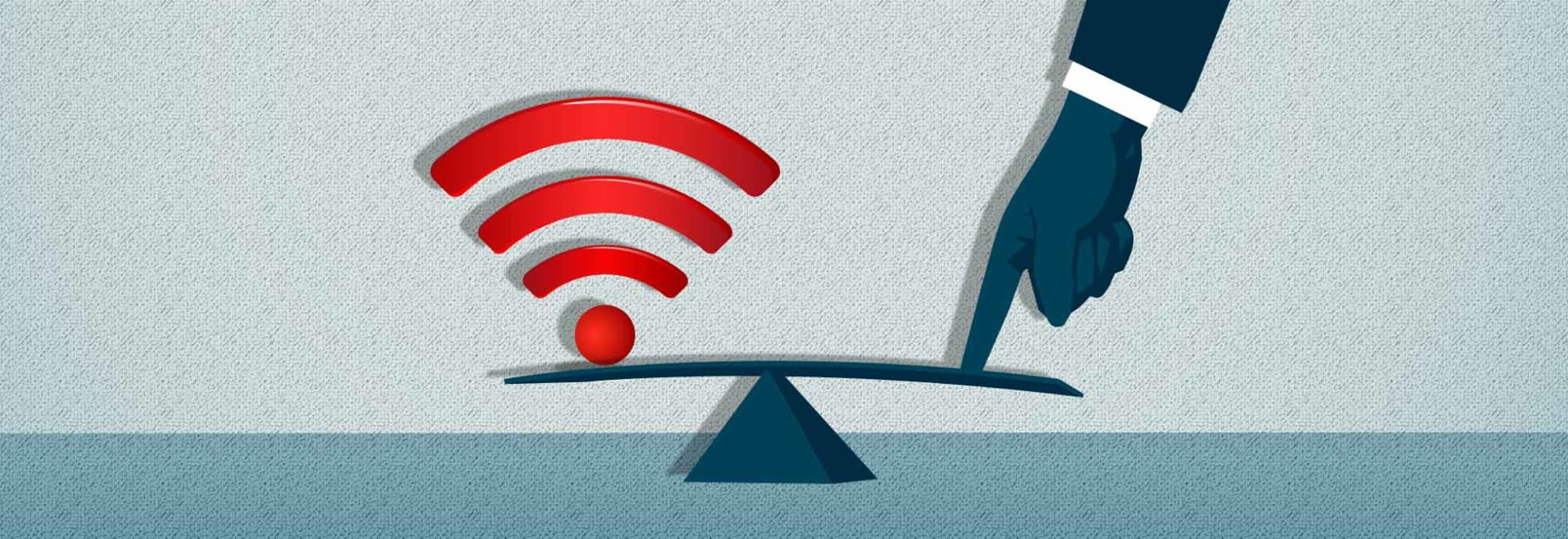
The FCC has repealed the rules governing internet providers. Here are five changes consumers should watch for.


Thursday, April 13, 2017

Your Digital Footprint Matters |

Internet safety | Privacy | Digital footprint

Your digital footprint paints a picture of who you are.

Make sure it's accurate. Learn how in a few easy tutorials.

Every day, whether we want to or not, most of us contribute to a growing portrait of who we are online; a portrait that is probably more public than we assume.

This portrait helps companies target content at specific markets and consumers, helps employers look into your background, and helps advertisers track your movements across multiple websites. Whatever you do online, you might be leaving digital footprints behind.

So no matter what you do online it’s important that you know what kind of trail you’re leaving, and what the possible effects can be.

While it's not possible to have ZERO footprints, the first steps toward reducing your digital footprint and managing your digital identity are not that hard.

Here are some things that can help!

1. Learn The Basics: What's A Digital Footprint?

Your digital footprint is all the stuff you leave behind as you use the Internet. Comments on social media, Skype calls, app use and email records- it's part of your online history and can potentially be seen by other people, or tracked in a database.

How Do We Leave Digital Footprints? This happens in many ways.

Here are some of them: 
Read more...


Wednesday, March 22, 2017

Facebook and Google: most powerful and secretive empires we've ever known | 28 September 2016 |The guardian

Google | Facebook | Social media | Citizen journalism | Technology | Internet

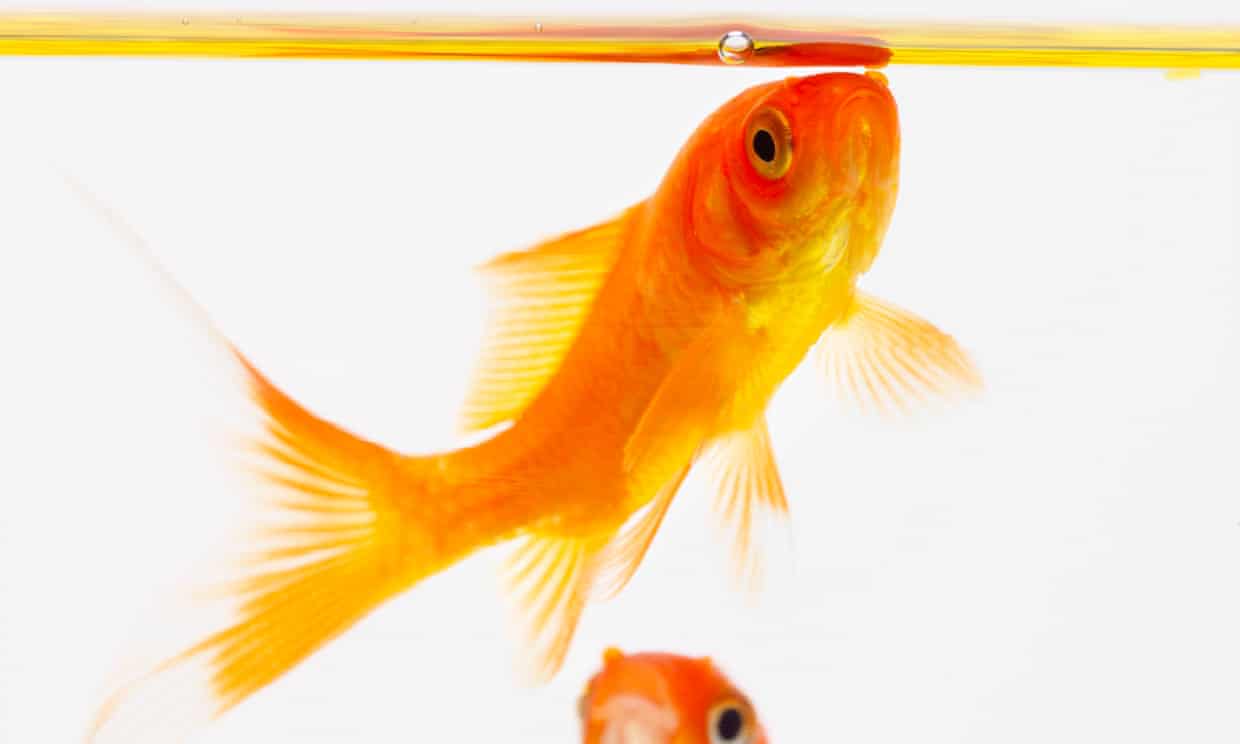
We are living in the web['s goldfish bowl. Photograph: Alamy

Google and Facebook have conveyed nearly all of us to this page, and just about every other idea or expression we’ll encounter today. Yet we don’t know how to talk about these companies, nor digest their sheer power. 

We call them platforms, networks or gatekeepers. But these labels hardly fit. The appropriate metaphor eludes us; even if we describe them as vast empires, they are unlike any we’ve ever known. Far from being discrete points of departure, merely supporting the action or minding the gates, they have become something much more significant. They have become the medium through which we experience and understand the world.

As their users, we are like the blinkered young fish in the parable memorably retold by David Foster Wallace. When asked “How’s the water?” we swipe blank: “What the hell is water?”

We pay attention, sometimes, to racism, death threats, outrage. Other than that, we have barely started feeling their algorithmic undertow. We have trouble grasping the scope of it: the vast server farms, the job cuts, the barriers to entry, the public-private partnerships, the manufacturing of data, the knowing cities, the branded self, the slavish service to their metrics, the monoculture. Read more...