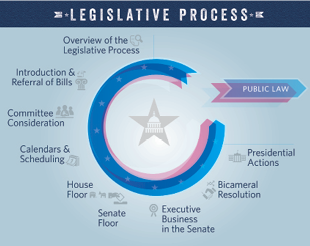
This poster is available at www.congress.gov, along
with nine short videos that explain each of the steps.
|
|
|
It’s no secret that the American political landscape has grown more
divided in recent years. The conservative right has been fracturing
since the emergence of the Tea Party. The liberal left hasn’t been as
internally divided, but that’s changing now since the Democratic field
has officially been narrowed to just two presidential candidates.
As I write this article on Presidents
Day in February, it’s impossible to escape the presidential primaries,
since debates seem to be on TV every week and since they’re covered in
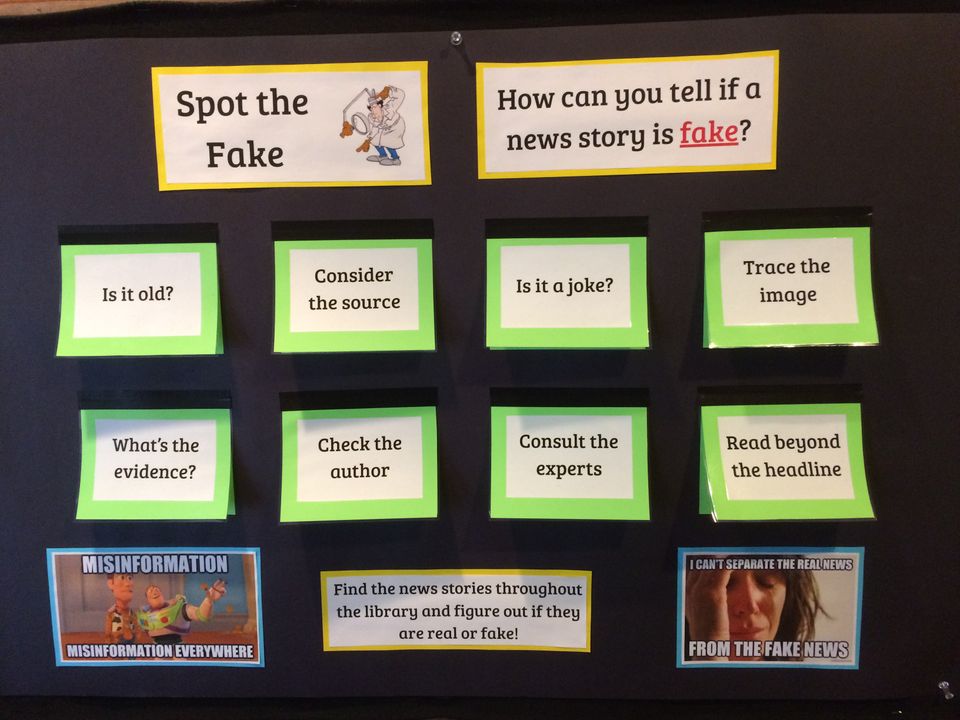
the media daily. Misinformation is everywhere. It’s hard to know what to
believe. This is where librarians come in.
I realize that many of you happily
avoid bringing politics into your work. After all, you’re supposed to be
unbiased, right? And you can’t afford to alienate anyone. You probably
have your hands full doing your regular duties of promoting good
searching and wise information usage. You’re also tasked with doing
outreach, increasing library awareness and use, and even “building
community.” So why would you want to get involved in politics? Because
those tasks can relate directly to elections.
I see a huge place for librarians in
the American political process. Think about it: You’re the people most
qualified to fight misinformation and guide the electorate to vetted
research sources. One way to reach out to people who don’t normally use
libraries and to build awareness of why they still matter is to become
the center for the most trustworthy data. And when trying to build
community, you need a topic that affects and interests everyone,
something to bring them together in discussion.
In this especially contentious
election year, U.S. voters desperately need to be able to separate fact
from fiction in order to make well-informed choices in the primaries and
in the November election. Why not prove your value by becoming the top
place in your community for fact-finding and discourse? You can save
people time by pointing them to good resources, by helping them
understand differing viewpoints, and by offering an unbiased, safe place
to learn. Here are 10 specific ways that you can do that, in any type
of library, without taking sides.
1. Create a portal of voting information.
You can find much of what you need by linking to local, state, and
federal sites. Include information on voter registration (try
www.usa.gov/register-to-vote):
links that are specific to your state, application deadlines, locations
and hours of polling places, etc. Be sure to offer info on absentee
ballots, especially if you’re in a university library, where many young
people may be living on campus, outside of their home voting districts.
This is the least you can do to inform the electorate.
Read more...