Pages

Showing posts with label teaching empathy. Show all posts

Monday, May 8, 2017

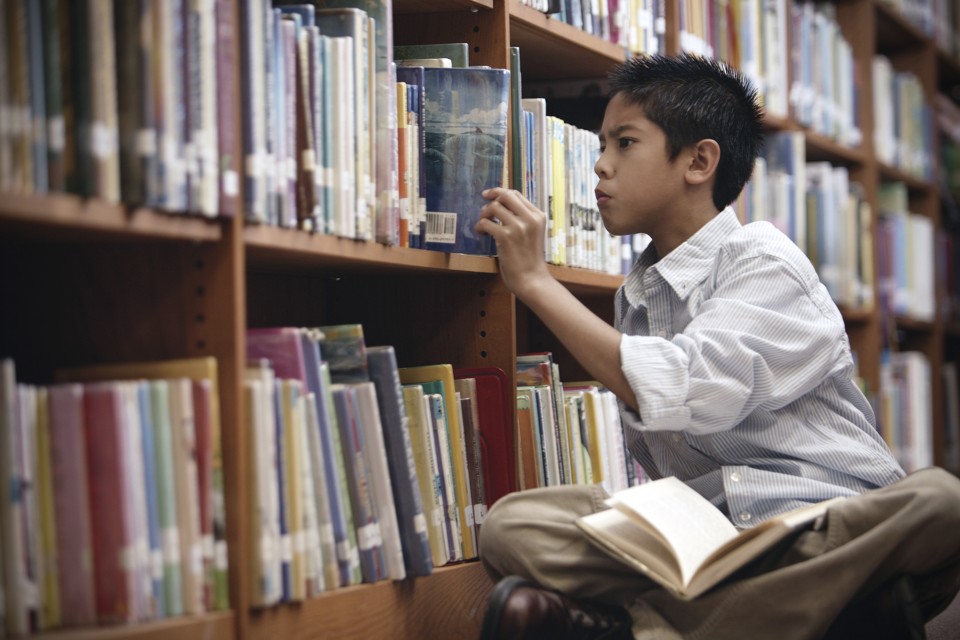
People who read books tend to be nicer than those who don't - [study]

Culture | Books | Reading


Reading: pretty good, apparently Credit: Danny Lawson/PA Wire 
 
Does reading books make you a nicer person? Or are nicer people more likely to be drawn to reading?

A recent study by researchers at Kingston University found that people who read works of fiction tend to be kinder and more empathetic.

"Exposure to fiction relates to a range of empathetic abilities," said researchers, who addressed the British Psychological Society conference in Brighton last week. Read more...

Wednesday, February 8, 2017

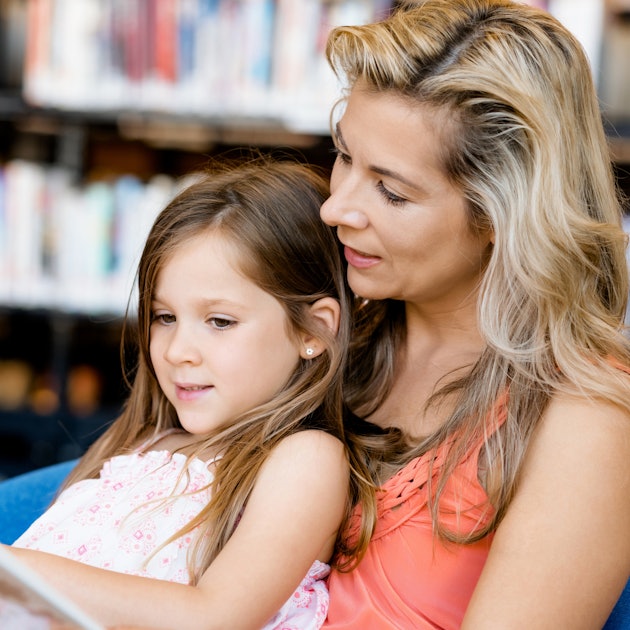
Want to Raise Successful Kids? Neuroscience Says Read to Them Like This (but Most Parents Don't)

Reading | Literacy | Parenting | Children's Literature

Read to young children in this way, and they'll develop greater intellectual empathy -- and become more successful.

By Bill Murphy Jr.

CREDIT: Getty Images  
If you're like most parents, you'll do just about anything you can to increase the odds that your kids will be successful.

So, what if I were to tell you there's a simple thing you can to do to make it more likely that they'll be successful in life -- specifically by increasing the likelihood that they'll learn to read other people, and even predict how they'll react?

What's more, while this parenting practice might be a bit more time-consuming than some alternatives, it can also be a lot of fun and increase your bond with your children.

We're talking about the way that parents read to their young kids. Neuroscientists say there's a trick that can make the daily bedtime ritual (one my wife and I enjoy with our daughter, and that you might well enjoy with your kids, too) far more effective and beneficial.
Here's the background -- plus how it works and why:

First off, of course, read to your kids. 

Read more...

Wednesday, October 5, 2016

How Banning Books Marginalizes Children by Paul Ringel

Banned Books

Oct. 1, 2016 [from The Atlantic]
Since the 1800s, attitudes about which books are “appropriate” for kids to read have too often suppressed stories about different cultures and life experiences. Comstock / Getty

Every year since 1982, an event known as Banned Books Week has brought attention to literary works frequently challenged by parents, schools, and libraries. The books in question sometimes feature scenes of violence or offensive language; sometimes they’re opposed for religious reasons (as in the case of both Harry Potter and the Bible). But one unfortunate outcome is that 52 percent of the books challenged or banned in the last 10 years feature so-called “diverse content”—that is, they explore issues such as race, religion, gender identity, sexual orientation, mental illness, and disability. As a result, the organizers of Banned Books Week, which started Sunday, chose the theme “Celebrating Diversity” for 2016.

Since the inception of the American children’s literature industry in the 1820s, publishers have had to grapple with the question of who their primary audience should be. Do kids’ books cater to parents and adult cultural gatekeepers, or to young readers themselves? But as books that address issues of diversity face a growing number of challenges, the related question of which children both the industry and educators should serve has become more prominent recently. Who benefits when Sherman Alexie’s The Absolutely True Diary of Part-Time Indian, which deals with racism, poverty, and disability, is banned for language and “anti-Christian content”? Who’s hurt when Jessica Herthel and Jazz Jennings’s picture book I Am Jazz, about a transgender girl, is banned? The history of children’s book publishing in America offers insight into the ways in which traditional attitudes about “appropriate” stories often end up marginalizing the lives and experiences of many young readers, rather than protecting them.  Read more...

Thursday, August 25, 2016

15 Children's Books That Teach Your Child Not To Be Entitled by Sarah Bunton

Sergey Nivens/Fotolia

A lot of critics of the millennial generation believe those born between the '80s and '90s as being entitled, spoiled, and the "me generation." With the instant gratification modern technology like smartphones, the internet, and social media can provide, it might seem like Generation Y is used to getting everything they want in a short amount of time. Obviously this isn't necessarily true and it seems millennial parents have an uphill battle to prove this isn't the case, especially with their kids. Thankfully there are children's books that teach your child not to be entitled.
A false sense that the world owes you something isn't a new thing at all. Yet it appears that topics like entitlement, empathy, and privilege have finally gotten the attention they deserve in modern society. Gone are the days of turning a blind eye to unkind behavior and not discussing real issues in polite conversation. Being able to understand the different ways in which people experience the world around them has become an increasingly necessary skill for parents to teach their children.
So if you're looking to teach your child how to be self-aware, empathetic, and patient check out these children's books that help kids understand entitlement.

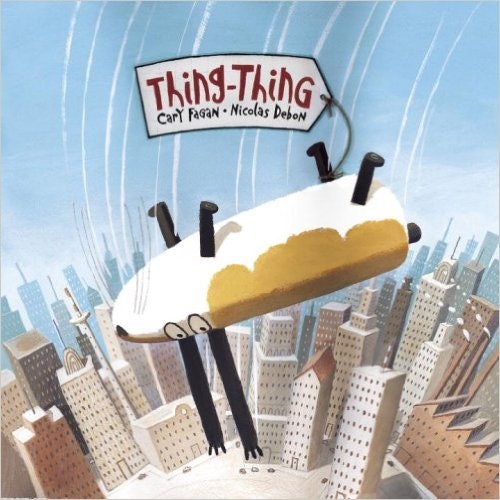
1. 'Thing-Thing' by Carly Fagan

 Read more...